AI Phone Ordering for Indian Restaurants
Tikka masala, biryani, paneer, garlic naan — pronounced correctly, spice levels confirmed, vegetarian and Jain options handled. BiteBot is the AI phone agent purpose-built for Indian restaurant menus.
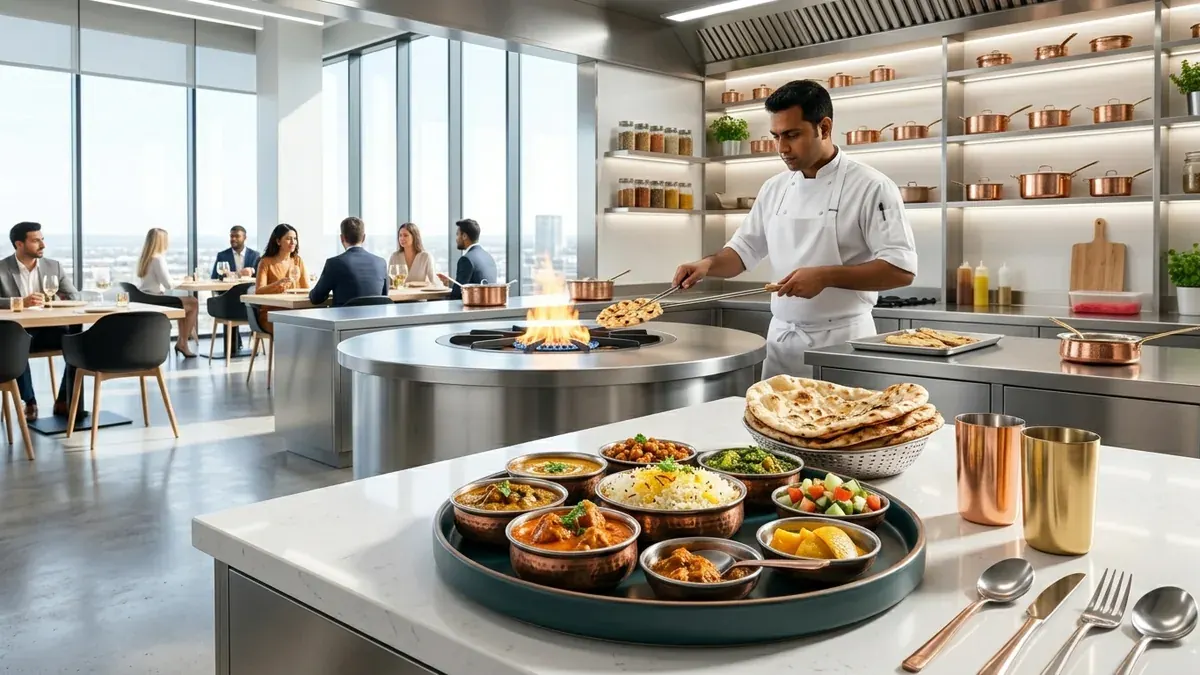
Indian restaurants run some of the most operationally demanding kitchens in any cuisine: tandoors, curries, dosa stations, biryani pots — all running in parallel, all requiring different prep times. The phone rings constantly through lunch buffet hours and the dinner rush. And the menus that need to be taken over that phone are unlike anything a generic voice assistant was designed for.
Tikka masala, vindaloo, korma, saag paneer, chana masala, aloo gobi, chicken 65, biryani, garlic naan, peshawari naan, jeera rice — these aren't words a default speech-to-text engine handles cleanly. Add the dietary constraints (vegetarian, vegan, Jain, halal, gluten-free) and the per-dish spice levels customers expect to specify, and you have a phone-ordering problem most AI agents simply can't solve.
BiteBot is built for it. Indian restaurants are the segment we focus on first because the operational complexity is real, the missed-call cost is real, and the off-the-shelf alternatives don't work.
Why Indian restaurants in particular benefit
A few structural reasons phone ordering matters more for Indian restaurants than for most other cuisines:
- High catering volume. Birthday parties, festivals (Diwali, Eid, Holi), pujas, office lunches — Indian restaurants get high-ticket catering inquiries by phone constantly. A single missed catering call can be a $400–$2,000 lost order.
- Family-style ordering. Customers commonly order 5–8 items at once for pickup ("two butter chicken, one chana masala, garlic naan, plain naan, a basmati, two mango lassi"). That's a long order to take by hand while the kitchen is running.
- Dietary specificity. "Is the dal makhani vegan?" "Do you do Jain?" "Can the saag be made without cream?" — answering these correctly takes either menu memorization or a digital reference. Most staff don't have time during a rush.
- Lunch buffet + dinner ordering coexist. Owners running a lunch buffet are also fielding phone orders — you cannot staff a dedicated phone person.
The phone is a primary ordering channel, but the phone is also the place where mishearings hurt most: "mild" misheard as "medium" results in a remade dish; "no garlic" missed results in a returned order.
What BiteBot specifically does for Indian restaurants
Pronounces and recognizes Indian dish names
Out of the box, BiteBot's voice agent knows the Indian menu vocabulary — both in understanding what the caller says ("I'd like the biryani") and in speaking it back correctly during confirmation ("That's one chicken biryani, one garlic naan…").
This is not generic speech-to-text. The menu is loaded as a structured vocabulary, with phonetic boost for dish names that ASR engines typically butcher: vindaloo, jalfrezi, korma, malai kofta, kheer, gulab jamun. The agent understands variants — paneer butter masala vs butter paneer, tikka vs tikka masala — and routes to the right item on your menu.
Captures spice level per dish
Spice is the single most-asked clarifying question on Indian phone orders. BiteBot handles it conversationally:
"Would you like the vindaloo mild, medium, hot, or extra hot?"
The level becomes a modifier on the order line. If the customer says "hot like Indian hot, not American hot," that's captured verbatim in the order notes — your line cook sees the clarification.
Handles dietary specificity
Vegetarian, vegan, Jain (no onion or garlic), halal, gluten-free — flag the constraints once on a customer profile or per order and they're surfaced for every relevant dish:
- A vegan customer asking for dal makhani gets a heads-up that it contains cream
- A Jain customer ordering chana masala gets confirmation that it's prepared without onion-garlic
- A gluten-free caller is steered toward dosas, idlis, and rice dishes instead of breads
You configure which dishes meet which dietary constraints once in the menu, and the agent enforces it on every call.
Manages bread + rice + curry combos cleanly
A typical Indian phone order has a curry section (the main dishes) and a bread/rice section (the accompaniments). BiteBot prompts naturally:
"You have two butter chickens and a saag paneer. What breads or rice would you like with that?"
Customers often forget the breads on their first pass — the agent's prompt catches it before the call ends.
Routes catering inquiries to a human
Catering inquiries — "I need to feed 50 people for Saturday's Diwali party" — are higher-stakes than a regular pickup order. BiteBot detects catering keywords (party, catering, guests, bulk, trays, event) and either:
- Books a callback with the owner, or
- Forwards the call directly to a designated number (typically the owner's mobile) during configured hours
You don't lose the high-value calls to an AI that tries to take them itself.
Captures special instructions verbatim
"Make the vindaloo really, really hot — last time it wasn't spicy at all."
"My daughter is allergic to peanuts. Please make sure the kheer doesn't have any."
"Can the naan be cut into pieces? Easier for the kids."
These go directly into the order notes alongside the items, exactly as the customer said them.
What integrates
POS systems with native integration today: Square, Clover, Toast. Orders land in your existing system with full modifier and special-instruction details intact. Other POS systems are supported via order export to a kitchen tablet or printer.
Multi-location chains (a common pattern for growing Indian restaurant brands) get centralized menu management with per-location overrides — see the Multi-Location Chains page for the operational model.
Pricing for Indian restaurants
Same plans as the rest of the BiteBot platform — see pricing. Most independent Indian restaurants land on the standard tier. Restaurants with high catering volume tend to upgrade for the larger call quota and priority routing.
Try the ROI calculator with Indian-restaurant-typical numbers (10–15 missed calls/day during lunch + dinner, $42 average ticket including breads and a drink) — most operations see $12K–$20K/month in recoverable revenue, with catering capture often adding another $5K–$15K on top.
Getting started
Sign up for a free trial and we'll provision a phone number, load your menu (we handle the dish-name vocabulary), and set up your dietary tags. You can place real test orders before going live — call in, order in any spice level, and watch the order land in your dashboard.
Most Indian restaurants are live in under 30 minutes, including POS integration. The phone is your highest-volume customer channel — it deserves an agent that actually knows your menu.